
Who Are the People Trading Hong Kong Stocks?
Hong Kong has long been a major financial hub, attracting investors from all over the world. The stock market here, known for its unique blend of Eastern and Western influences, is an exciting place for both seasoned traders and new investors. But who are these individuals that actively trade in Hong Kong stocks? Let's take a closer look at the various types of people involved in this dynamic market.
1. Local Retail Investors
One of the largest groups in the Hong Kong stock market is local retail investors. These are individual investors who buy and sell stocks for their personal accounts. Many local investors have a strong understanding of the market, often influenced by news, social media, and community discussions. They tend to trade frequently, looking for short-term gains and are known for their enthusiasm during bull markets. Retail investors often rely on online trading platforms, making it easier for them to access the market and execute trades.
2. Institutional Investors
On the other end of the spectrum, institutional investors play a significant role in the Hong Kong stock market. These include pension funds, insurance companies, mutual funds, and hedge funds. Institutional investors manage large sums of money and make investment decisions based on extensive research and analysis. They tend to take a more long-term approach compared to retail investors, focusing on the fundamentals of the companies they invest in. Their large trades can significantly influence stock prices, making them key players in the market.
3. Foreign Investors
Hong Kong's stock market is also attractive to foreign investors. Many international companies and investment firms view Hong Kong as a gateway to Asia and an opportunity to invest in Chinese companies. Foreign investors may be looking for exposure to the rapidly growing Chinese economy or to diversify their investment portfolios. They often have different investment strategies, driven by global economic trends and geopolitical factors. The presence of foreign investors adds a layer of complexity and depth to the market.
4. Day Traders
Day traders are a specific subset of retail investors who engage in short-term trading, buying and selling stocks within the same trading day. They aim to capitalize on small price movements, often using technical analysis and trading algorithms to make quick decisions. Day trading requires a deep understanding of market trends and can be risky due to its fast-paced nature. Many day traders in Hong Kong are young professionals who can dedicate time to monitor the market closely.
5. Millennials and Gen Z Investors
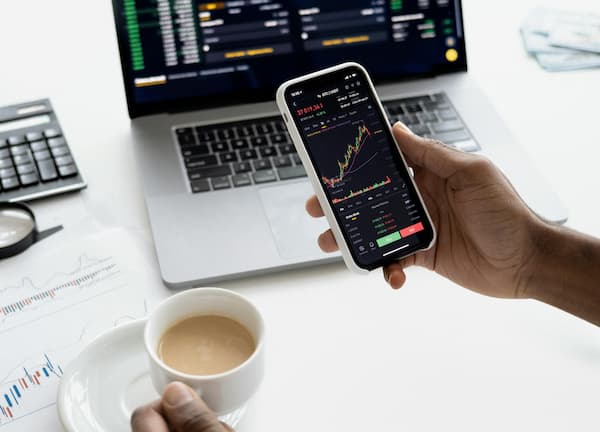
In recent years, there's been a noticeable rise in the number of younger investors in Hong Kong's stock market, particularly among millennials and Gen Z. These young investors often turn to mobile trading apps and online platforms, making it easier for them to participate in the market. They are typically more tech-savvy and tend to focus on trends, such as investing in technology or sustainable companies. Social media platforms play a significant role in influencing their investment decisions, as they seek advice and information online.
6. Financial Advisors and Analysts
Finally, financial advisors and analysts are crucial to the Hong Kong stock trading landscape. They provide insights, recommendations, and strategies to help investors make informed decisions. These professionals analyze market trends, company performance, and economic indicators to offer guidance. Many individual investors rely on their expertise to navigate the complexities of stock trading, especially in a market as dynamic as Hong Kong’s.
Conclusion
The Hong Kong stock market is a melting pot of different types of investors, each bringing their unique perspectives and strategies to the table. From local retail investors to institutional giants, and from day traders to young tech-savvy millennials, each group's activity contributes to the market's vibrancy. Understanding who trades in Hong Kong stocks can provide valuable insights into market trends and behaviors, making it easier for new and seasoned investors alike to navigate this exciting financial landscape. Whether you're looking to invest or simply curious about the market, knowing the players involved can enhance your understanding of how this dynamic system operates.